Maryknoll Lay Missioner Joanne Miya, who served at Uzima Centre for two decades, warns younger generations to take the virus seriously.

Lay Missioner Continues the Battle Against HIV in Tanzania
read more
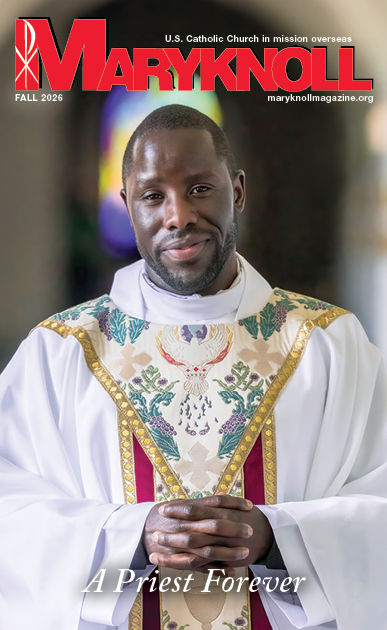
Focused on Maryknoll missioners around the world working in solidarity among the poor and marginalized. Articles include issues of importance to people the missioners serve and to the Catholic Church.
Maryknoll Lay Missioner Joanne Miya, who served at Uzima Centre for two decades, warns younger generations to take the virus seriously.

During the first year of his pontificate, the Holy Father has shown a measured firmness honed over decades of leadership in mission.

A Maryknoll Lay Missioner supports victims of human trafficking who were forced to carry out scams for exploitative employers.

Franciscan Brother Octavio Durán relates how he returned Archbishop Óscar Romero’s shoes to their homeland of El Salvador during a Maryknoll pilgrimage.

Despite funding cuts, a project founded by Maryknoll for HIV/AIDS patients continues to provide hope in the slums of Nairobi.

A Maryknoll team in Guatemala cares for HIV-positive people at Hospicio Santa María, a hospice that is also home to a thriving organic farm.

Eight missioners are commissioned by Maryknoll Lay Missioners to serve in Bolivia, Brazil, Kenya, Tanzania and at the U.S.-Mexico border.

Seminarians gain mission experience in Taiwan through Maryknoll’s Overseas Training Program as part of their vocational discernment.

With a new mural, a Japanese American community in Los Angeles honors its history of faith, in which Maryknoll played an important role.
Latest news from mission sites and countries around the world.
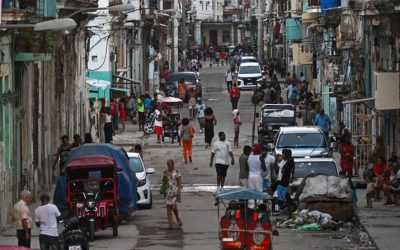
A study reveals that Cubans face a dire daily reality: food shortages, a lack of medicine, poverty, and failing public services.
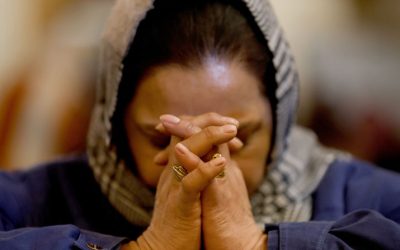
Concerns over India’s anti-conversion laws raised anew after 10 Catholics spent 104 days in jail before being granted bail.
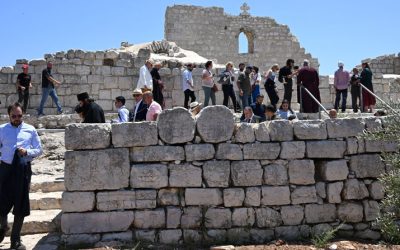
As settlers attack Taybeh, the West Bank’s last all-Christian town, Church leaders reaffirm support for Palestinian civilians.
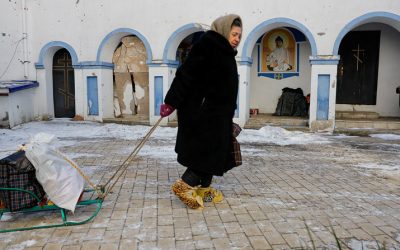
Maryknoll Brother Wayne Fitzpatrick reflects on the steadfast faith that leads to healing in Jesus’ encounter with the Canaanite woman.
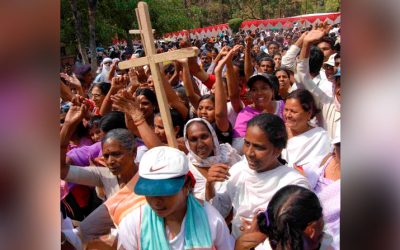
In the state of Bihar, Hindu nationalists threaten 42 Christian families as hostility rises against religious minorities.
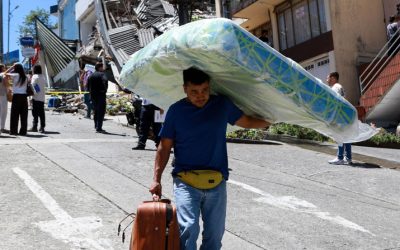
The 7.4-magnitude earthquake killed more than 250 people and injured hundreds, devastating entire communities.
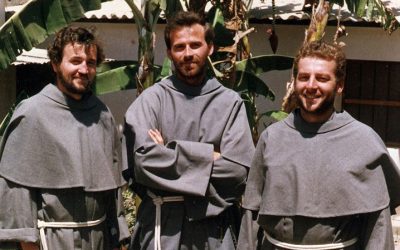
Two Franciscans murdered in Peru by Sendero Luminoso three decades ago are a testament to pastoral witness.
Bishop Alfred Rotich publishes an open letter decrying the ecological harm being inflicted on communities, water resources and biodiversity.

A Maryknoll priest reflects on the Transfiguration of the Lord in Sunday’s Gospel in light of his lifetime of service in mission.
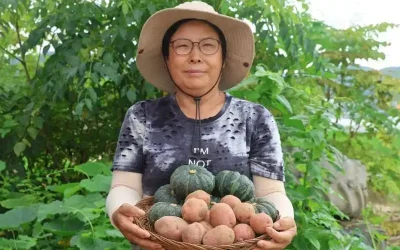
Catholic Farmers Association in South Korea confronts climate change and reverses rural decline while promoting sustainable agriculture.
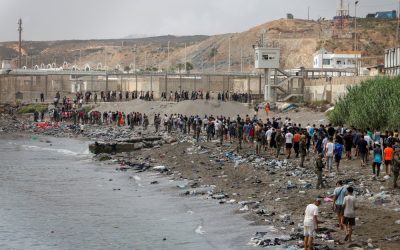
The Diocese of Cádiz and Ceuta responds to urgent humanitarian needs after 60,000 people rushed land and sea borders, causing 72 fatalities.

Maryknoll Lay Missioner Rick Dixon, who serves in El Salvador, reflects on how young children experience God’s presence through silent prayer.

Sister Leticia Ugboaja’s attorney says the Nigerian religious, who was detained and released last month, still faces possible deportation.

As some 353,000 Haitians lose temporary protective status, Archbishop Thomas Wenski warns that their home country remains unsafe for return.

Maryknoll Father Joseph Veneroso deciphers early indicators of the approach that Pope Leo XIV brings to the papacy.

Maryknoll Father Alejandro Marina recounts how the Mojeño Trinitarios, an ethnic group in the Bolivian Amazon, live out their faith.
Vignettes from the lands of mission, told by Maryknoll missioners and volunteers. These popular little stories are sometimes funny, often moving and generally inspiring encounters with people on the margins.

Missioners share snippets of mission life drawn from experiences in Kenya, the Bolivian Amazon and the United States.

Susan Gunn, director of the Maryknoll Office for Global Concerns, presents a sobering view of the fatal effects of U.S. cuts to foreign aid.

Readers respond via email, letter or message to our stories published online, circulated in print and shared weekly by ezine.