First, second and third place winners in two divisions wrote about cross-cultural encounters, inspired by Pope Leo’s call to build bridges.

2025 Maryknoll Student Essay Contest Winners
read more
Focused on Maryknoll missioners around the world working in solidarity among the poor and marginalized. Articles include issues of importance to people the missioners serve and to the Catholic Church.
First, second and third place winners in two divisions wrote about cross-cultural encounters, inspired by Pope Leo’s call to build bridges.

Pope Leo XIV writes that artificial intelligence may lead to mass unemployment and undermine human dignity, reducing people to mere data.

Maryknoll Father Joyalito Tajonera and his parish community provide hospitality and advocacy as they welcome vulnerable migrant workers.

Maryknoll Lay Missioner Joanne Miya, who served at Uzima Centre for two decades, warns younger generations to take the virus seriously.

During the first year of his pontificate, the Holy Father has shown a measured firmness honed over decades of leadership in mission.

A Maryknoll Lay Missioner supports victims of human trafficking who were forced to carry out scams for exploitative employers.

Franciscan Brother Octavio Durán relates how he returned Archbishop Óscar Romero’s shoes to their homeland of El Salvador during a Maryknoll pilgrimage.

Despite funding cuts, a project founded by Maryknoll for HIV/AIDS patients continues to provide hope in the slums of Nairobi.

A Maryknoll team in Guatemala cares for HIV-positive people at Hospicio Santa María, a hospice that is also home to a thriving organic farm.
Latest news from mission sites and countries around the world.
More than 5,000 Christians rally in northeastern India, urging the country’s government to uphold their constitutional guarantees.
The bishops conference calls for stronger due process as detained noncitizens are being confined in facilities for months on end.
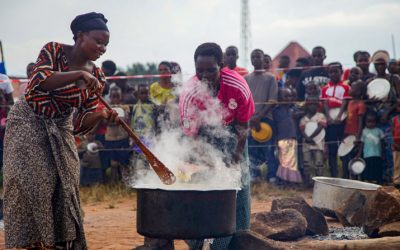
Recognizing that today’s world is torn by violence, Maryknoll Father John Sivalon looks to God’s unlimited mercy in the Sunday Mass readings.
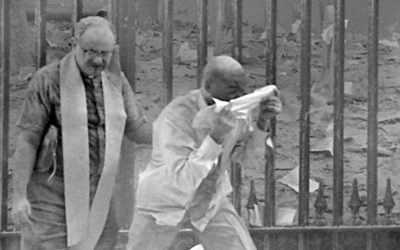
Pastoral ministers, including Maryknoll Father Raymond Nobiletti, offered solace to victims and their families.
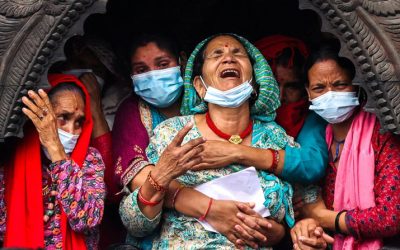
Although the world’s poorest countries are the least responsible for today’s global climate crisis, they are the most affected, says director.
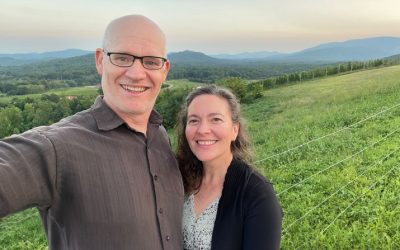
The returned Maryknoll lay missioners started a Catholic Worker in Charlottesville, Virginia, for families experiencing homelessness.
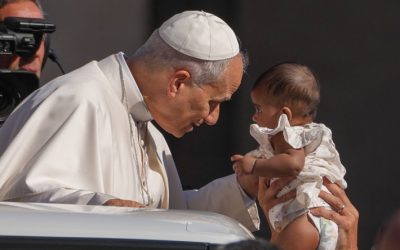
The Vatican II document encourages Catholics to address the world’s challenges, especially on behalf of the poor and marginalized.
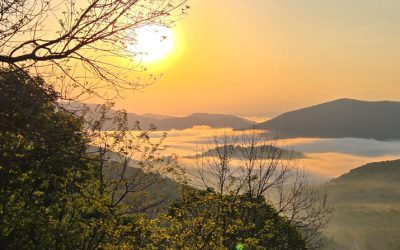
With the Mass and message, Pope Leo XIV opened this year’s Season of Creation, introducing the theme of peace and reconciliation.
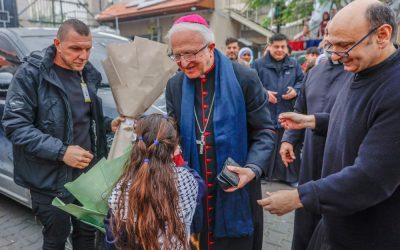
Holy Family parish repairs bombed buildings in time for the school year, renewing its support of students, educators and families.
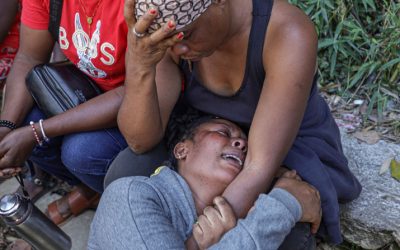
The Church leader says “Haiti is still a house on fire” after criminal gangs kill 47 people and kidnap 50 others.
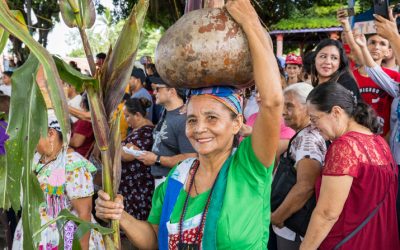
A Maryknoll lay missioner in El Salvador reflects on how discipleship calls us to align our expectations with God’s will.
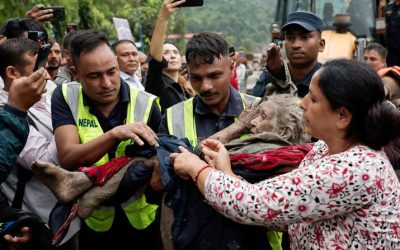
With 1,300 people still missing, the Catholic Church joins relief efforts as local communities face the aftermath of deadly floods.
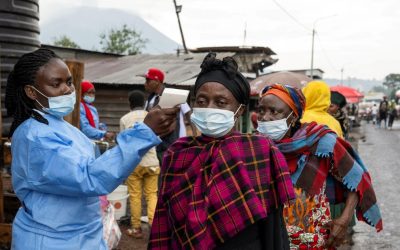
Catholic relief agencies responding to the outbreak offer health education and medical care, attempting to contain the virus.
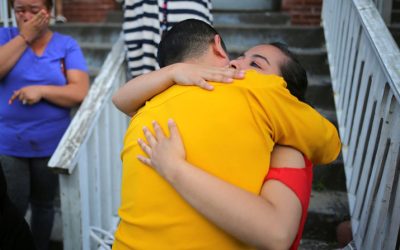
Maryknoll Office for Global Concerns signed onto a letter urging migratory status for 170,000 Salvadorans who will soon face deportation.

Maryknoll Father Joseph Veneroso deciphers early indicators of the approach that Pope Leo XIV brings to the papacy.

Maryknoll Father Alejandro Marina recounts how the Mojeño Trinitarios, an ethnic group in the Bolivian Amazon, live out their faith.
Vignettes from the lands of mission, told by Maryknoll missioners and volunteers. These popular little stories are sometimes funny, often moving and generally inspiring encounters with people on the margins.

Missioners share snippets of mission life drawn from experiences in Kenya, the Bolivian Amazon and the United States.

Susan Gunn, director of the Maryknoll Office for Global Concerns, presents a sobering view of the fatal effects of U.S. cuts to foreign aid.

Readers respond via email, letter or message to our stories published online, circulated in print and shared weekly by ezine.